




Fraud Assistance
Quick tips to stay safe
Three best practices to avoid getting scammed



Shhh... Keep your password a secret
Never share your online banking password with anyone, including family. Sage CU employees will never ask for it.
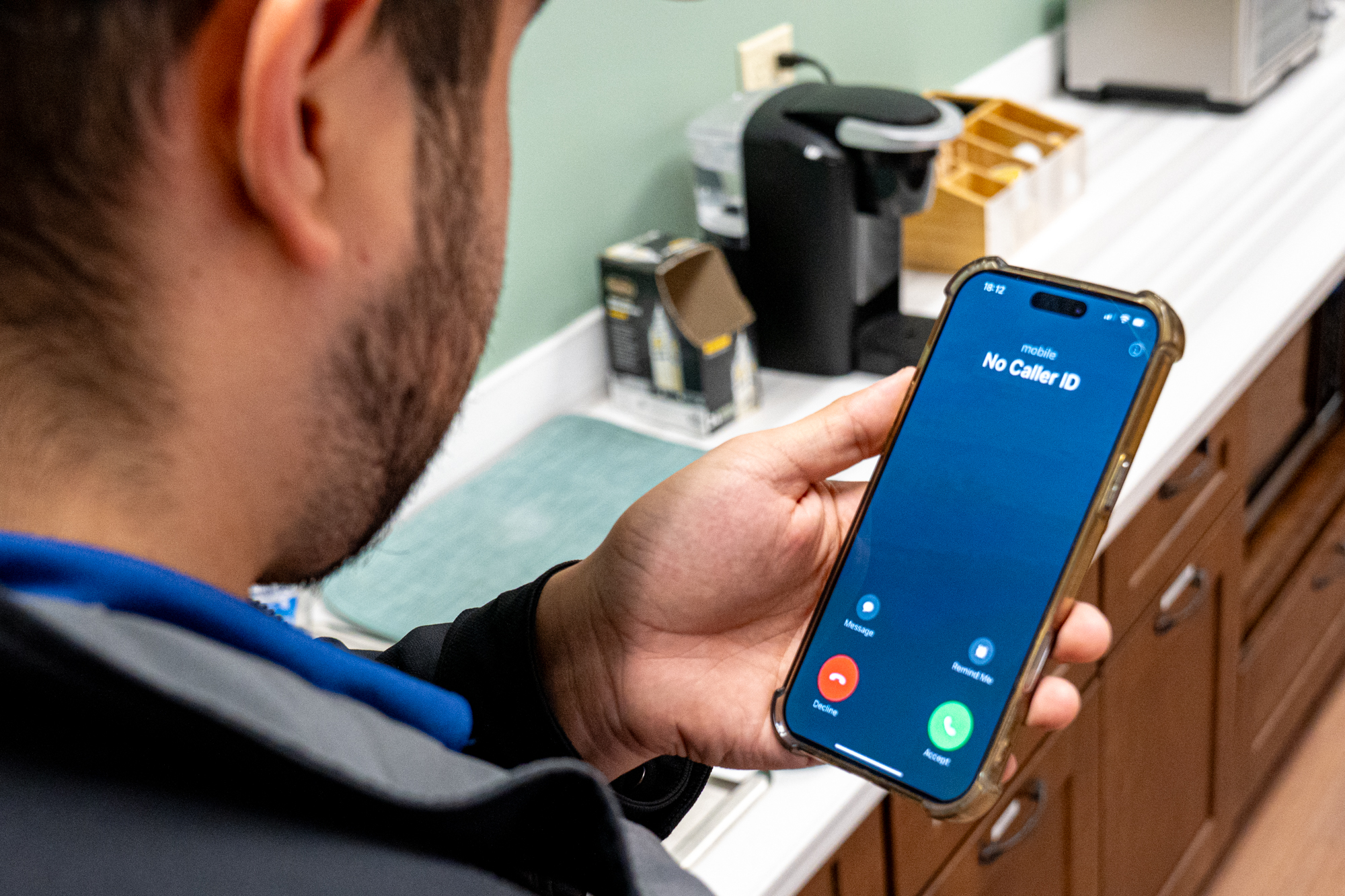
Hang Up and Call Back
If you receive a phone call from any institution that wants your personal data or asks for payment, hang up and call them back at their official phone number.
Don't click the links
Scammers pretend to work for a trusted company or use urgent sounding messages in hopes you’ll click before you double check the source.
Suspect fraud?
Six steps to get you back in control
- Hang up the phone. Scammers may try to make you feel guilty or use threats such as a warrant for your arrest or a financial penalty if you cease contact. Hanging up the phone also gives you space to think about the requests without being pressured to make a decision.
- If you are still wondering if the call is legitimate, call the company back. Make sure to find the number on their website. Do not call back any number obtained from the potential scammer.
- Do not respond to messages. The fraudsters will be persistent and continue to reach out, but ignoring their messages is the best course of action.
- Let us know about what happened, even if no funds were lost. This is important because staff will be able to monitor your accounts and be alerted to unusual behavior.
- If funds were lost or compromised, staff may be able to stop future activity and help you move forward with possible recovery.
Please call us at 800.570.0265.
Report Fraud
"*" indicates required fields
In order to keep your information secure it is best practice to change all passwords on accounts that were linked to suspected fraudulent activity.
- It is estimated that only a small percentage of fraud cases get reported each year which makes it hard to get an accurate picture of how big the problem truly is.
- We recommend reporting fraud to:
Local law enforcement
FBI Reporting Center (IC3)
FTC Reporting Center (FTC)
- If fraudulent activity resulted in a change in your credit score, we recommend contacting the three reporting bureaus
- (Equifax/TransUnion/Experian) to ask for corrective action.
- After suspected fraudulent activity, we also recommend freezing your credit to ensure your information isn’t used to open new loans.
Freeze with Equifax
Freeze with TransUnion
Freeze with Experian
- We recommend contacting Balance after potential fraudulent activity.
- Balance is an anonymous, friendly, financial coaching service that can help with identity theft, budgeting, and more.
- Access to a financial coach is provided at no cost to members of Sage CU
- The AARP Fraud Watch Network provides a variety of programs to help with suspected fraudulent activity including Fraud Victim Support and a Watchdog Network.
True Fraud Podcast
Stay up to date on the latest fraud trends
George and the Crypto Machine
In this episode, Billy and Alex (a Fraud Analyst) react and discuss George’s story about being tricked out of $38,000 through an elaborate phone call that involved a scam email, fake police action, a supposed investigation into his credit union, and a trip to a crypto machine.